One simple way to meditate on the Rosary more attentively is to add a brief phrase after the name of Jesus in the Hail Mary. The phrase is drawn from the mystery being prayed and helps keep the mind fixed on Christ.
This is one of the apostolate's main practical helps for prayer. You do not need to invent a new prayer. You keep the Hail Mary intact and add a short mystery-phrase after the holy name of Jesus.
The phrase may be any brief phrase that helps place you within the mystery being prayed and keep your attention there.
For example, in the Wedding Feast at Cana, one might pray: “and blessed is the fruit of thy womb, Jesus, whom you told they have no wine.” In this way, the prayer remains rooted in the Gospel event and becomes more consciously meditative.
How to do it
One simple way to begin is this: announce the mystery, choose one short phrase tied to that mystery, keep that same phrase through the decade if it helps, and return to it quietly when the mind wanders.
The phrase should be brief, clear, and centered on Christ. It is meant to help attention, not burden it.
A good phrase usually does one of three things: it names Christ in the mystery, it names His action in the mystery, or it places the soul within the scene being contemplated.
How to choose a phrase
You do not need to search for the perfect wording. Choose the simplest phrase that helps you remain with the mystery.
Often it helps to ask:
- What is Christ doing here?
- What part of the mystery most arrests my attention?
- What brief phrase helps place me within that scene?
If a phrase is too long, too clever, or too abstract, it will usually become a burden. If it is brief and concrete, it will usually help.
Try it now
If you want to begin simply, try this in one decade: choose a mystery, say the Our Father as usual, add the same short phrase after the name of Jesus in each Hail Mary, and do not force thoughts or feelings. Just stay with the mystery.
That is enough for a real beginning.
One phrase or several?
For most people, especially at first, it is better to keep one brief phrase through the whole decade. That gives the mind something stable to return to.
At other times, a soul may find it helpful to vary the phrase from bead to bead, especially when moving through different aspects of the mystery. Both approaches can be good. What matters is not variety for its own sake, but recollection.
A few examples
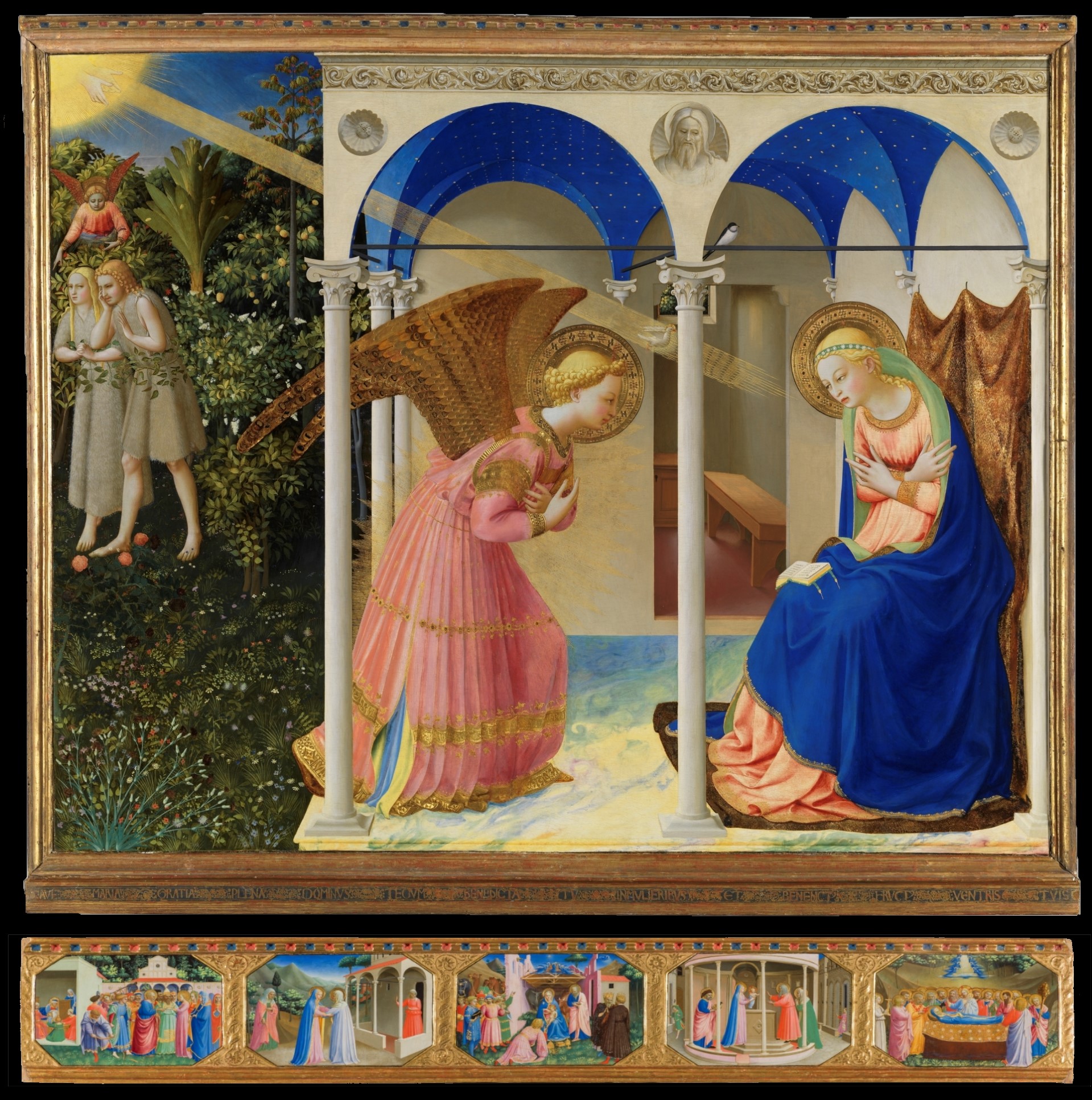
- Annunciation: “Jesus, becoming man.”
- Nativity: “Jesus, born in a manger.”
- Wedding Feast at Cana: “Jesus, whom you told they have no wine.”
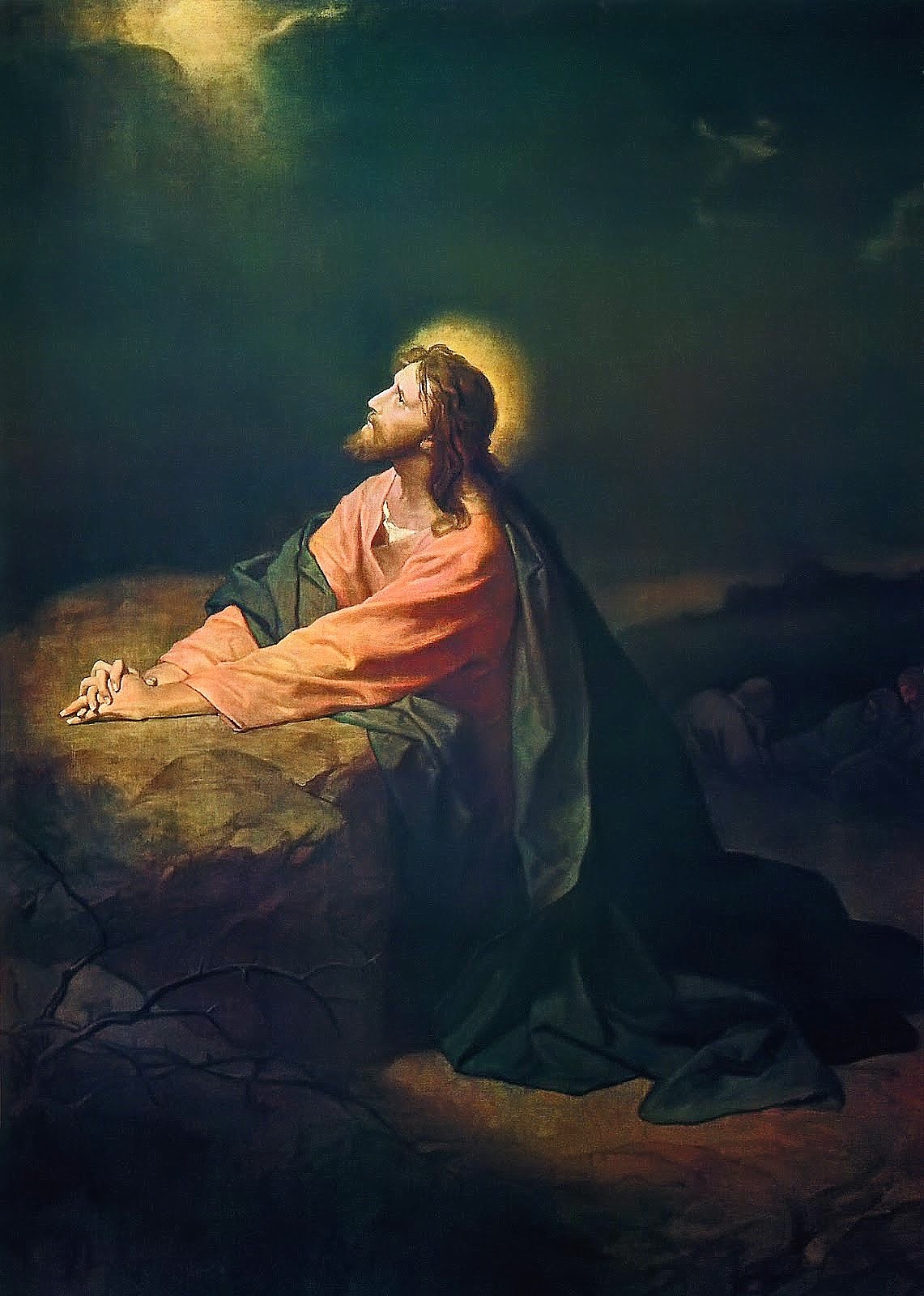
- Agony in the Garden: “Jesus, in the garden.”
- Crucifixion: “Jesus, crucified.”
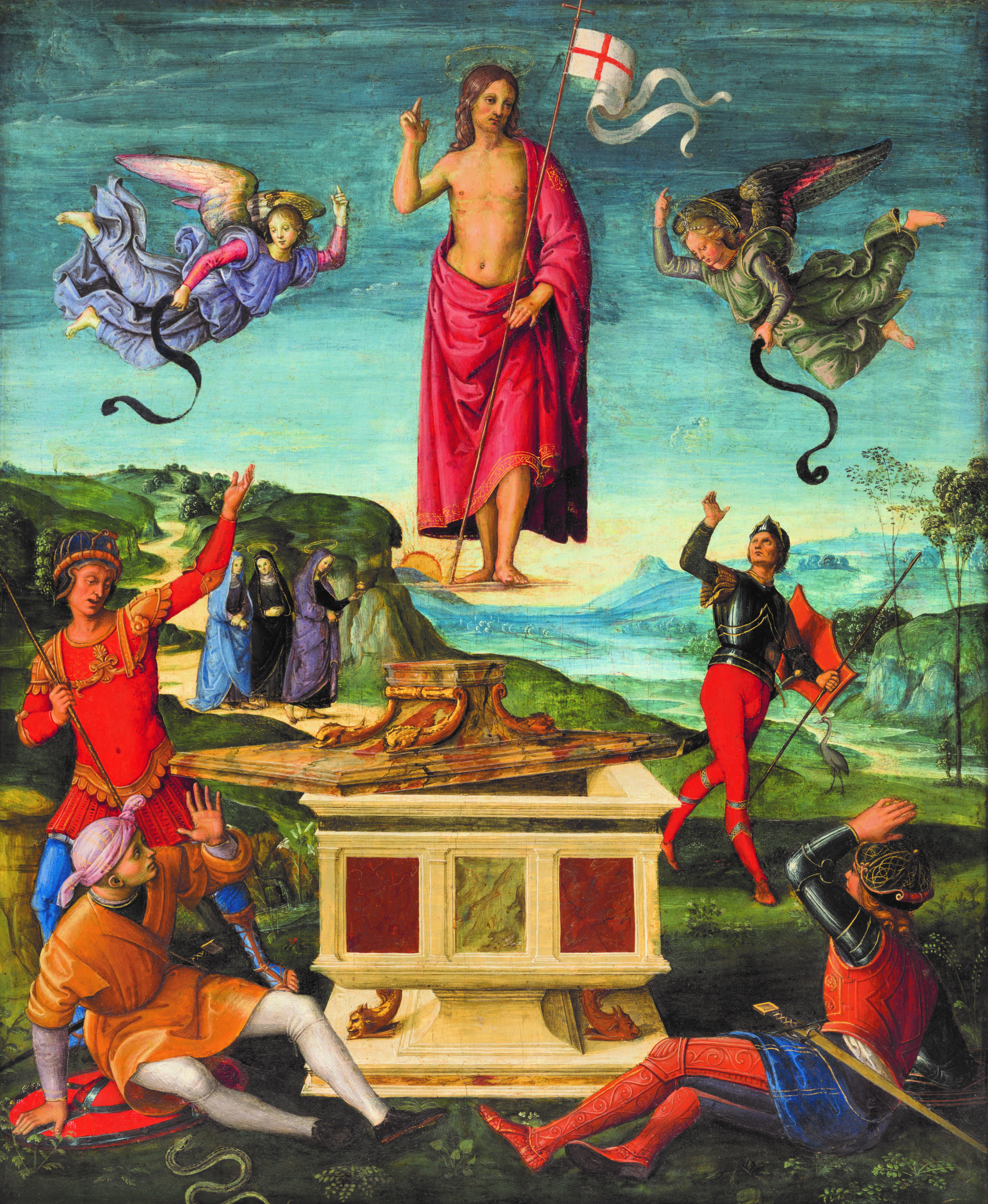
- Resurrection: “Jesus, risen.”
These are only examples, and in many cases they are the phrases most commonly used in this apostolate's own practice. The phrase does not need to be perfect, and it does not need to match these examples exactly. It only needs to place you within the mystery and keep your attention there.
Common difficulties
Some people worry that they are doing too much. Others worry that they are doing too little. Usually neither fear is necessary.
If the phrase helps you remain with Christ in the mystery, it is serving its purpose.
If the phrase becomes distracting, simplify it.
If you lose the phrase halfway through the decade, return quietly.
If one phrase no longer helps, choose another.
What matters is not technique for its own sake, but recollection.
How the method can deepen
At first, the phrase often serves mainly as a help against distraction. Over time, it can become more than that. It can gather the mind, steady the heart, and make the mystery feel more immediate and inhabitable.
Sometimes, after carrying the mystery for a while, the phrase may begin to fall quiet on its own. That is not necessarily a problem. If the soul is peacefully remaining with Christ in the mystery, the method has already served its purpose.
At other times, the phrase will continue to be needed, and that too is fine. The goal is not to leave words behind as quickly as possible. The goal is to remain with Christ more faithfully.
Why this helps
This method does not complicate the Rosary, but deepens it. It is especially helpful for those who struggle with distraction or who want to pray the mysteries with greater recollection. It gives the mind something simple and stable to return to.
This approach also has strong support in the Rosary tradition. In Rosarium Virginis Mariae, Saint John Paul II explicitly recommended the fruitful practice of adding a clause after the name of Jesus in the Hail Mary so that the mystery being contemplated remains before the mind and heart.
The goal is simple: to let each Hail Mary become an act of contemplation, not merely repetition. The words remain the same prayer, but they become more transparently ordered toward the mystery of Christ. This is not the only way to pray the Rosary, but it is a deeply fruitful one.