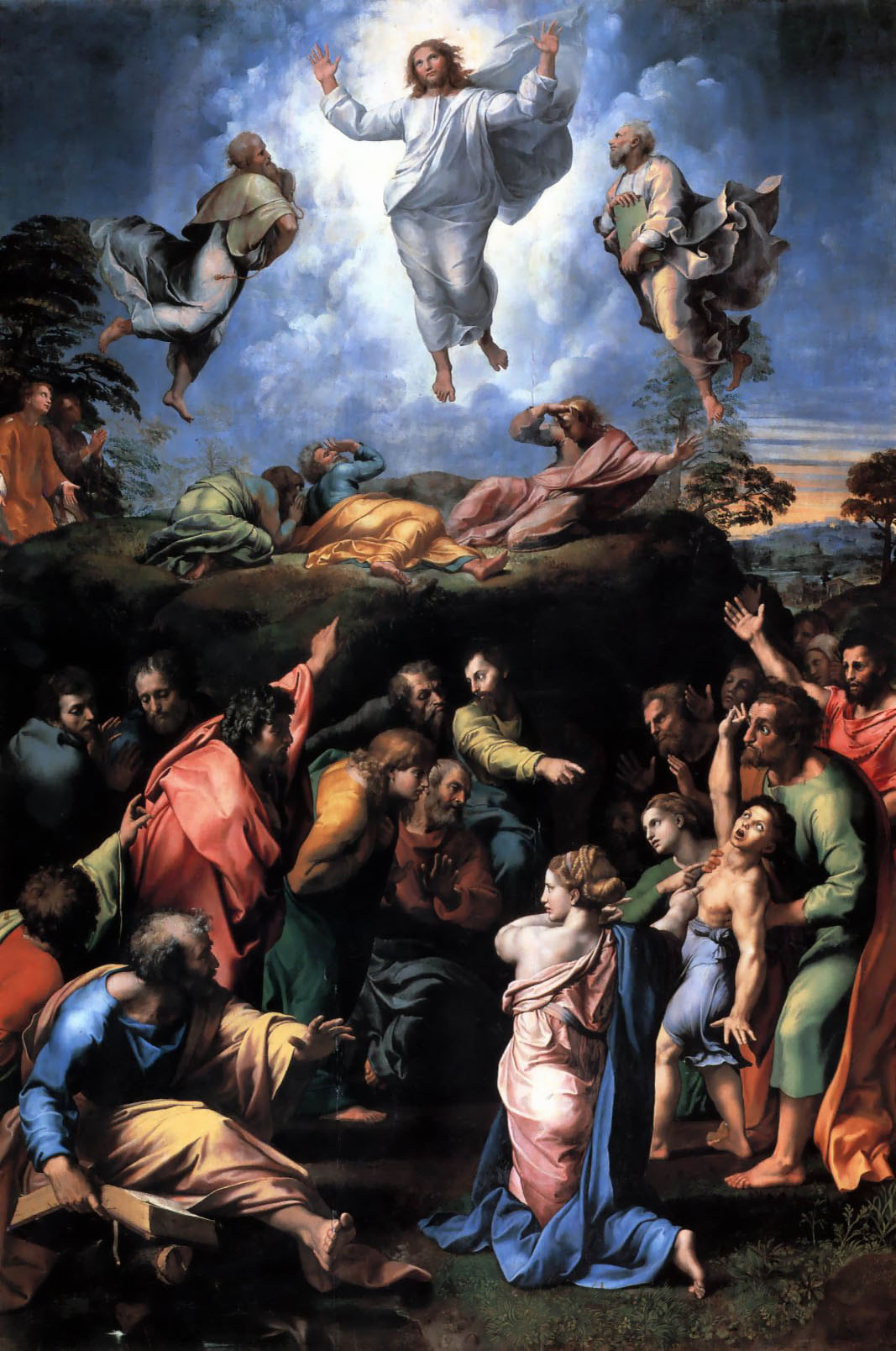
The Rosary is more than a vocal prayer. It is also a school of contemplation. Its repeated prayers steady the heart, gather the mind, and keep the soul within the mysteries of Christ. When prayed well, the Rosary becomes a form of mental prayer, a way of remaining with Jesus in the company of His Mother.
The great teachers of the interior life help make this clearer. They remind us that prayer must become personal, attentive, loving, and faithful. The Rosary bears fruit not when it is rushed through mechanically, but when it is prayed with recollection, love, and a real desire to remain with the Lord.
They also remind us that deeper prayer ordinarily passes through purification. The soul must be detached from noise, self-will, and restless distraction. In that sense, the Rosary can become a preparation for deeper prayer precisely because it teaches the soul to return, remain, and endure.
They also help protect the contemplative life from false piety. One does not need to be impressive to pray well. What matters is fidelity, confidence, littleness, and love.
For those who want to go further, the contemplative saints are especially helpful guides, above all Saint Teresa of Avila, Saint John of the Cross, and Saint Thérèse of Lisieux.
The Rosary is not rightly dismissed as a lower form of prayer. For many souls, it is one of the most practical and accessible paths into contemplative prayer. Its mysteries keep the soul close to Christ, its rhythm quiets interior agitation, and its Marian form helps the one praying remain near the Lord through the heart of His Mother. Saint John Paul II strongly affirmed this in his apostolic letter Rosarium Virginis Mariae when he wrote that the Rosary "represents a most effective means of fostering among the faithful that commitment to the contemplation of the Christian mystery."
To pray the Rosary contemplatively is not to force thoughts or emotions. It is to stay with the mystery, say the prayers attentively, and let grace work. Sometimes that will feel peaceful. Sometimes it will feel dry. What matters is fidelity. Over time, the Rosary forms recollection, deepens love, and disposes the soul for greater union with God.
In this way, the Rosary becomes more than a devotion. It becomes a way of growth in holiness. It teaches the soul to behold Christ, to remain with Him, and to be changed by what it contemplates. It begins with words, but it need not end there.